
Recognizing GBS: Signs and Possible Treatment
A rare neurological condition that can have a major influence on a person’s quality of life is Guillain-Barré Syndrome (GBS). Even though it is rare, early diagnosis and improved recovery results can result from being aware of the symptoms and available treatments. We’ll go over the main features of GBS, its symptoms, and its therapies in this blog.
Guillain-Barré Syndrome: What is it?
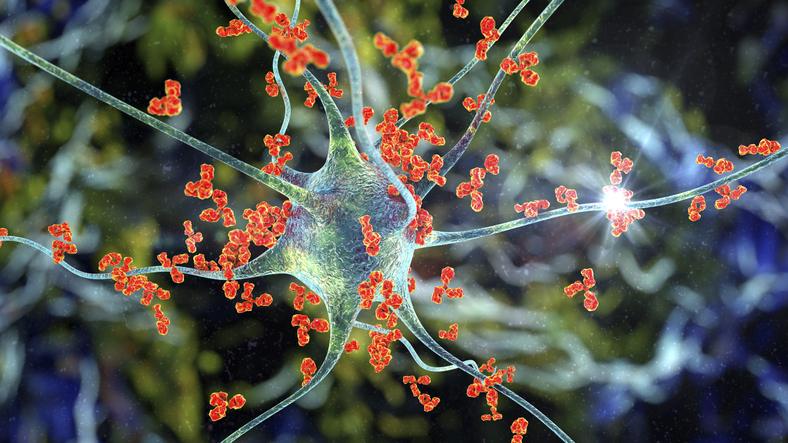
The autoimmune condition known as GBS occurs when the body’s immune system unintentionally targets peripheral nerves. In extreme situations, this may result in paralysis, numbness, and muscle weakness. GBS frequently follows infections, such as respiratory or gastrointestinal disorders, albeit the precise reason isn’t always known.
GBS symptoms
Although the intensity and course of GBS symptoms might vary, the following are the most typical indicators:
- Weakness in the muscles
- Spreads to the upper body from the legs.
- May develop quickly, impairing one’s capacity to move or walk.
- Vibrating Feelings
- The fingers, toes, or both are frequently where it starts.
- Compared to pins-and-needles pains.
- Reflex Loss
- Reduced reflexes in the legs or arms.
- Notable when being examined physically.
- Breathing Issues
- In extreme situations, respiratory muscles may become weak.
- You need to get medical help right away.
- Vision and Facial Issues
- Making facial expressions can be challenging.
- Double or blurred vision.
- Pain
- Excruciating nerve pain that frequently gets worse when you move.
What Leads to GBS?
Although the precise cause of GBS is unknown, the following factors frequently cause it to occur:
• Illnesses: bacterial or viral illnesses including the Zika virus, Epstein-Barr virus, or Campylobacter jejuni.
• Immunizations: A small number of immunizations have been linked to GBS.
• Surgery: In rare cases, GBS may appear following surgery.
Options for GBS Treatment at Vedant Hospitals
Guillain-Barré Syndrome has no known cure, however prompt medical attention can reduce symptoms and hasten healing.
- Plasmapheresis
- The process of plasma exchange, also known as plasmapheresis, eliminates dangerous antibodies from the blood.
- Reduces damage to nerves.
- Intravenous Immunoglobulin (IVIG)
- Blocks harmful antibodies by administering healthy ones.
- Because it is simple to administer, it is frequently used as a first-line treatment.
- Pain Management
- Doctors may prescribe drugs like opioids or gabapentin.
- Physical therapy
- Aids in the rehabilitation process by restoring strength and mobility.
- Exercises specifically designed to stop muscular atrophy.
- Ventilator Support
- Mechanical ventilation may be necessary in extreme situations where breathing is compromised.
Recuperation and Prospects
Although it could take weeks, months, or even years, the majority of GBS patients recover completely. About 15% can become weak over time. The chance of a better prognosis increases with early therapy.
When to Get Medical Help
Get medical attention right away if you or someone you know suddenly feels weak, tingly, or has trouble breathing. Serious consequences can be avoided with early management.
Despite its seriousness, Guillain-Barré Syndrome is treatable with prompt and appropriate care. Recovery can be greatly impacted by knowledge of the symptoms and available treatments. Seek quick medical advice from an expert if you suspect GBS.
Keep yourself informed and remain well!