
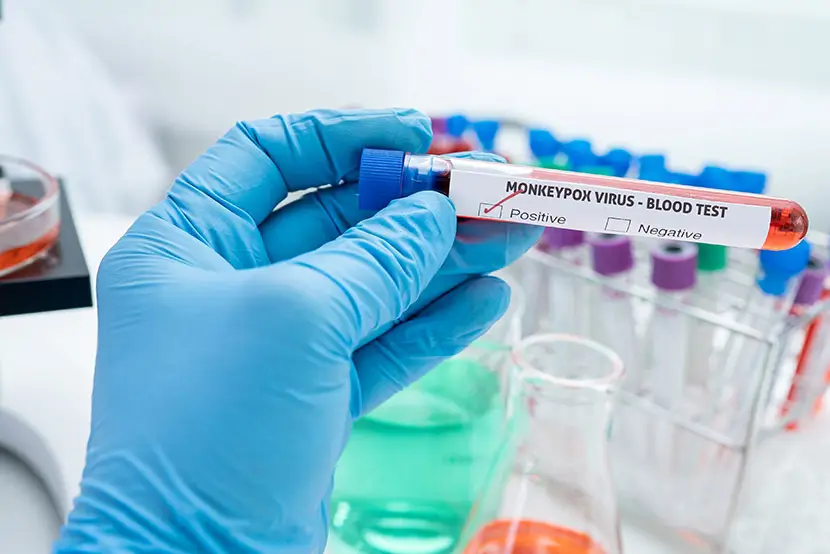
Monkeypox is an unusual yet potentially severe viral illness that has attracted worldwide focus because of its outbreaks across various nations. Displaying symptoms akin to smallpox, although less severe, monkeypox can be transmitted through close interaction with an infected individual or animal. In this post, we will discuss all the essential information regarding monkeypox, encompassing its symptoms, treatment alternatives, and methods to avoid infection.
What is Monkeypox?
Monkeypox is a zoonotic disease caused by the monkeypox virus (MPXV), a member of the Orthopoxvirus genus, which also encompasses the smallpox virus. It was initially discovered in monkeys in 1958 and subsequently detected in humans in 1970. Although it is endemic in Central and West Africa, recent occurrences in non-endemic areas have heightened global health worries.
Monkeypox is not as severe as smallpox, yet it may still result in issues, particularly in those with weakened immune systems, expectant mothers, and small children.
Symptoms of Monkeypox
Monkeypox symptoms usually appear 5 to 21 days after contact and may persist 2 to 4 weeks. The illness advances in phases:
- Early Symptoms (Prodromal Phase)
- Fever (above 100°F)
- Headache and body aches
- Chills
- Fatigue and weakness
- Swollen lymph nodes(a significant distinguishing factor from other poxviruses)
- Rash Development (Exanthem Phase)
Within 1 to 3 days following the fever, a rash emerges, typically beginning on the face before extending to other areas of the body, such as the palms, soles, and genitals. The rash evolves through various phases:
- Macules (flat red spots)
- Papules (raised bumps)
- Vesicles (fluid-filled blisters)
- Pustules (pus-filled sores)
- Scabs(crusty spots that ultimately detach)
The rash may cause discomfort and itchiness, and after the scabs detach, the individual is no longer able to spread it.
How is Monkeypox Transmitted?
Monkeypox spreads through direct contact with a person, animal, or surfaces that are infected. Typical ways of transmission consist of:
- Human-to-Human:
- Close skin-to-skin contact
- Respiratory droplets resulting from extended direct contact
- Handling soiled items (linens, garments, dishes)
- Animal-to-Human:
- Bites or scratches from contaminated animals (rodents, monkeys)
- Consuming improperly cooked meat from contaminated animals
Monkeypox is less contagious than COVID-19 yet still necessitates measures to avert outbreaks.
Diagnosis of Monkeypox
Doctors diagnose monkeypox based on:
- Physical examination(rash and enlarged lymph nodes)
- PCR test(Polymerase Chain Reaction) utilizing samples from skin lesions
- Blood tests to identify the monkeypox virus
Timely identification is essential to halt the dissemination and initiate therapy.
Treatment for Monkeypox
There is no specific cure for monkeypox, yet supportive care aids in alleviating symptoms and accelerating recovery. Treatment alternatives consist of:
- Antiviral Medications
- Tecovirimat (TPOXX)– Authorized by the FDA for critical situations.
- Cidofovir and Brincidofovir– Can be utilized in severe situations.
- Symptom Management
- Pain relievers(Paracetamol, Ibuprofen) for high temperature and bodily discomfort.
- Antihistamines to reduce itching.
- Hydration(IV fluids if necessary) to avert dehydration.
- Isolation and Wound Care
- Keeping skin lesions clean and dry to prevent infections.
- Quarantine until the sores fully mend.
Prevention of Monkeypox
Preventing monkeypox can be achieved by implementing basic hygiene practices and vaccination methods.
- Vaccination
- JYNNEOS (Imvamune/Imvanex):A more secure option compared to smallpox vaccinations.
- ACAM2000:A live-virus immunization for high-risk populations.
Immunization is advised for healthcare professionals, lab staff, and individuals who have interacted with those infected.
- Personal Protection
- Avoid direct contact with infected persons or animals.
- Wear masks and gloves when attending to an infected individual.
- Regular handwashing with soap and water.
- Travel and Public Health Guidelines
- Avoid travel to endemic areas during outbreaks.
- Report symptoms promptly to avert additional dissemination.
Who is at Risk?
Certain populations are at a heightened risk for severe monkeypox infections, including:
- Individuals with weakened immune systems (HIV/AIDS patients, transplant recipients)
- Pregnant women
- Children below the age of 8
- People with no prior smallpox vaccination
Monkeypox vs. Smallpox vs. Chickenpox
Feature | Monkeypox | Smallpox | Chickenpox |
Causative Virus | Monkeypox virus | Variola virus | Varicella-zoster virus |
Fever before Rash? | Yes | Yes | No |
Lymph Node Swelling? | Yes | No | No |
Rash Progression | Slow, in distinct stages | Rapid | Rapid, itchy blisters |
Mortality Rate | Low (~1-10%) | High (~30%) | Very Low |
Monkeypox is not as lethal as smallpox, but it necessitates appropriate treatment to prevent complications.
Monkeypox is a viral illness that transmits via intimate interaction and infected surfaces. Although it is not as severe as smallpox, it may still lead to unease and issues. Grasping its symptoms, transmission, and treatment options is essential for stopping outbreaks.
Key Takeaways:
✅ Early symptoms include elevated temperature, migraines, and enlarged lymphatic nodes.
✅ A rash evolves, advancing through macules, vesicles, and pustules.
✅ Direct contact with an infected individual or animal transmits the virus.
✅ Antivirals and supportive care help manage symptoms.
✅ Vaccination and hygiene measures can prevent infection.
If you notice any signs of monkeypox, seek advice from a healthcare professional at Vedant Hospitals right away. Keep yourself updated, maintain proper hygiene, and implement essential measures to ensure your safety!