

The thyroid gland is a small, butterfly-shaped organ located at the front of your neck. Despite its small size, it plays a vital role in regulating several key functions in the body, including metabolism, heart rate, and body temperature. Understanding the thyroid gland, its functions, the common diseases that affect it, and the treatment options available can help you better manage your health.

Joint Replacement Surgery: Examining the Advantages, Dangers, and Prospects
Joint replacement surgery has become a common and highly effective treatment option for individuals suffering from chronic pain, limited mobility, and functional impairment due to joint conditions like osteoarthritis, rheumatoid arthritis, or trauma. The procedure involves replacing a damaged or worn-out joint with an artificial one, typically made of metal, plastic, or ceramic materials. While joint replacement surgery can provide significant relief and improve quality of life, it is important to understand both the benefits and risks involved, as well as what to expect during the process. In this blog, we’ll explore everything you need to know about joint replacement surgery—from the procedure itself to post-surgery recovery and lifestyle adjustments.
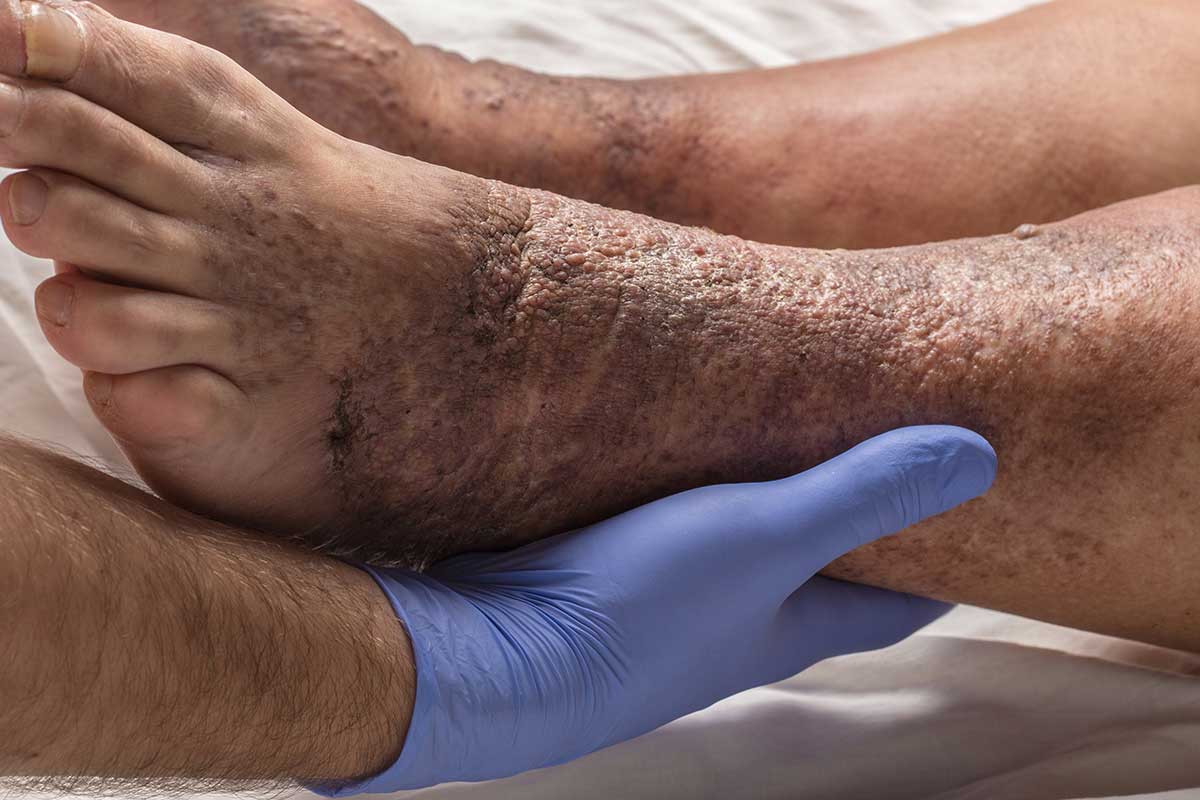
Cellulitis: Signs, Causes, and Available Therapies
Cellulitis is a common and potentially serious bacterial skin infection that can affect anyone. It occurs when bacteria, typically Streptococcus or Staphylococcus, enter the skin through a cut, insect bite, or other breaks in the skin. While cellulitis can occur anywhere on the body, it most commonly affects the legs, arms, and face. Understanding the symptoms, causes, and treatment options for cellulitis is essential to preventing complications and ensuring prompt recovery. In this blog, we will break down everything you need to know about cellulitis and how to treat it effectively.

Knowing Pediatrics: An Essential Area of Medicine for the Health of Children
The medical specialty of pediatrics is concerned with the health and treatment of newborns, kids, and teenagers, usually up to the age of 18. In order to ensure that young people grow, develop, and thrive—both physically and emotionally—this field is essential. In addition to providing preventive care and assistance to help children lead healthy lives, pediatricians are uniquely trained to diagnose and treat a wide range of illnesses, injuries, and ailments that can affect children.