
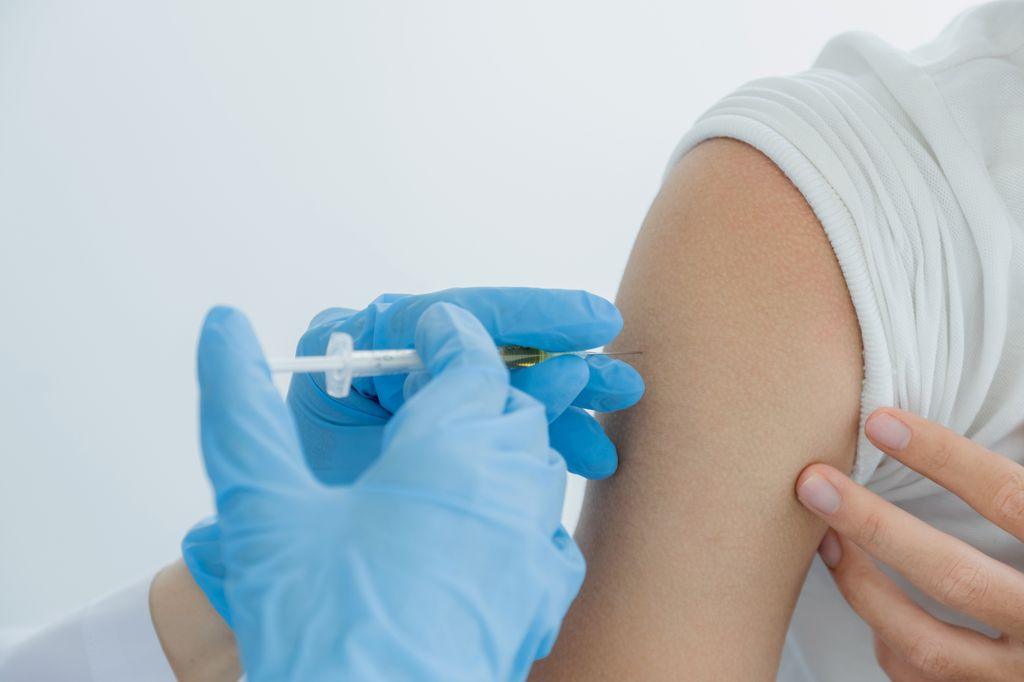
Immunity and vaccination are two of the most powerful tools in modern medicine that help protect us from a wide range of infectious diseases. Whether you’re trying to avoid seasonal flu, strengthen your defenses against childhood diseases, or protect yourself from emerging viruses, understanding how immunity works and the role of vaccinations can significantly improve your health and well-being.
In this blog, we’ll explore what immunity is, how it works, the importance of vaccination, and how both contribute to a healthier society. Let’s dive into the science behind immunity and vaccination, and how they work hand-in-hand to safeguard your health.
What is Immunity?
Immunity refers to the body’s ability to defend itself against harmful pathogens, such as viruses, bacteria, fungi, and parasites. This protective defense system is made up of the immune system, a complex network of cells, tissues, and organs that work together to recognize and neutralize invaders.
There are two main types of immunity:
1. Innate Immunity (Non-specific Immunity)
Innate immunity is the body’s first line of defense. It includes physical barriers like the skin and mucous membranes, as well as white blood cells that respond to any pathogen in a non-specific way. This type of immunity is present from birth and provides immediate protection, but it does not have the ability to “remember” previous invaders.
2. Adaptive Immunity (Acquired Immunity)
Adaptive immunity is more specialized and comes into play when the innate immune system is overwhelmed. It involves T-cells, B-cells, and antibodies that target specific pathogens. This form of immunity is adaptive because it learns from previous encounters, allowing it to provide long-term protection against repeated infections from the same pathogen.
Active Immunity: When the body produces its own antibodies and T-cells in response to an infection or vaccination.
Passive Immunity: When immunity is transferred from another source, like from mother to child through breast milk or through antibody treatments.
How Vaccines Boost Immunity
Vaccines play a critical role in helping the body develop immunity to diseases without causing illness. A vaccine is a biological preparation that mimics a disease-causing organism to stimulate the body’s adaptive immune response.
How Do Vaccines Work?
Vaccines contain small amounts of weakened or inactivated viruses, bacteria, or even just parts of them (like proteins or sugars). When a vaccine is introduced into the body, it doesn’t cause the disease but prompts the immune system to react by:
Recognizing the pathogen: The immune system identifies the components of the virus or bacteria in the vaccine as foreign invaders.
Creating antibodies: The body produces antibodies, which are proteins that recognize and neutralize the specific pathogen.
Memory cells: After the immune response, the body retains “memory” of the pathogen in the form of memory B-cells and memory T-cells. This allows the immune system to mount a rapid and effective defense if the body encounters the pathogen again in the future.
Vaccines are crucial because they prime the immune system without causing illness, providing protection in case of future exposure to the actual pathogen.
Why Vaccination is Important
Vaccination is one of the most effective public health tools available to prevent disease, save lives, and reduce healthcare costs. Here’s why vaccination is so important:
1. Protection from Serious Illness
Vaccines protect individuals from a wide range of serious diseases, some of which can lead to hospitalization, long-term health complications, or even death. Diseases like measles, polio, hepatitis B, and influenza can be deadly, but vaccination reduces the risk of contracting these conditions.
2. Herd Immunity
When a large percentage of a population is vaccinated, it creates herd immunity. This means that even individuals who cannot be vaccinated (due to age, allergies, or medical conditions) are protected because the spread of disease is minimized. Herd immunity helps prevent outbreaks and protects vulnerable groups like infants, the elderly, and people with weakened immune systems.
3. Prevents the Spread of Disease
Vaccines don’t just protect the vaccinated individual, they also help stop the spread of contagious diseases within the community. When more people are vaccinated, the likelihood of disease outbreaks decreases, and the overall public health improves.
4. Reduces Healthcare Costs
By preventing diseases that could lead to costly treatments, hospitalizations, and long-term care, vaccination helps reduce the financial burden on healthcare systems. The cost of vaccination is much lower than the costs associated with treating infectious diseases.
Common Vaccines and Their Importance
Several vaccines have played a pivotal role in reducing global disease burden. Here are some of the most important vaccines:
1. Childhood Vaccines
Childhood vaccines protect against a variety of diseases that were once common but are now rare due to widespread vaccination efforts. These include:
Diphtheria, Tetanus, and Pertussis (DTaP)
Measles, Mumps, Rubella (MMR)
Polio Vaccine (IPV)
Hepatitis B
Haemophilus influenzae type b (Hib)
Varicella (Chickenpox)
These vaccines have dramatically reduced the incidence of diseases that once caused high rates of morbidity and mortality in children.
2. Flu Vaccine
The seasonal flu vaccine is an annual vaccine that protects against the influenza virus. Because flu strains can change every year, new vaccines are developed to target the most common circulating strains. This vaccine is especially important for young children, the elderly, and people with chronic conditions who are at higher risk for flu complications.
3. COVID-19 Vaccine
The COVID-19 vaccine has been a cornerstone in managing the global pandemic caused by the SARS-CoV-2 virus. Vaccination has significantly reduced hospitalizations, deaths, and severe illness worldwide. It’s a vital tool for controlling the spread of COVID-19 and returning to normal life.
4. HPV Vaccine
The Human Papillomavirus (HPV) vaccine helps protect against several types of cancer caused by HPV infection, including cervical cancer, anal cancer, and throat cancer. The vaccine is typically administered to pre-teens and adolescents to protect them before exposure to the virus.
Debunking Common Vaccine Myths
Despite the overwhelming evidence of the safety and efficacy of vaccines, there are still many myths and misconceptions surrounding them. It’s important to address these to encourage informed decision-making:
- Myth: Vaccines cause autism: Extensive scientific research has debunked this myth. Vaccines are safe and do not cause autism.
- Myth: Vaccines overload the immune system: The immune system is capable of handling the components of vaccines. Modern vaccines contain only a tiny fraction of the pathogens they protect against and do not overwhelm the immune system.
- Myth: Natural immunity is better than vaccine-acquired immunity: While natural immunity can develop after an infection, it often comes with a risk of severe illness. Vaccines provide safe immunity without the need for the body to go through the illness itself.
Conclusion: Why Immunity and Vaccination Matter
Immunity is the body’s natural defense against harmful pathogens, and vaccination helps to enhance and reinforce this defense. By stimulating the immune system to recognize and fight specific diseases, vaccines help prevent infections, protect vulnerable populations, and reduce the spread of illness in communities.
Vaccination is a vital tool in public health, preventing millions of deaths and illnesses every year. With vaccines, we not only protect ourselves but also contribute to the health and safety of the entire population through herd immunity.
Stay informed, stay protected, and consult with your healthcare provider about vaccines that are right for you and your loved ones. The combination of natural immunity and vaccine-induced immunity is our best defense against many deadly diseases.